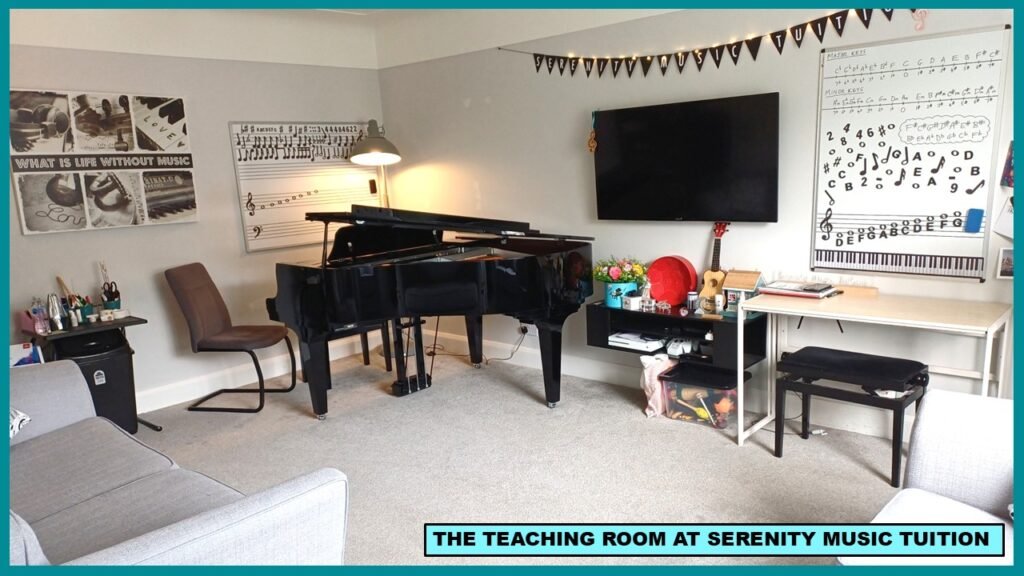
Piano Lessons on Wirral and so much more! A very warm welcome to Serenity Music Tuition! Here is a little more information for you:
Piano, Music Theory, GCSE and A level Music and Home Education Lessons in Bromborough, Wirral
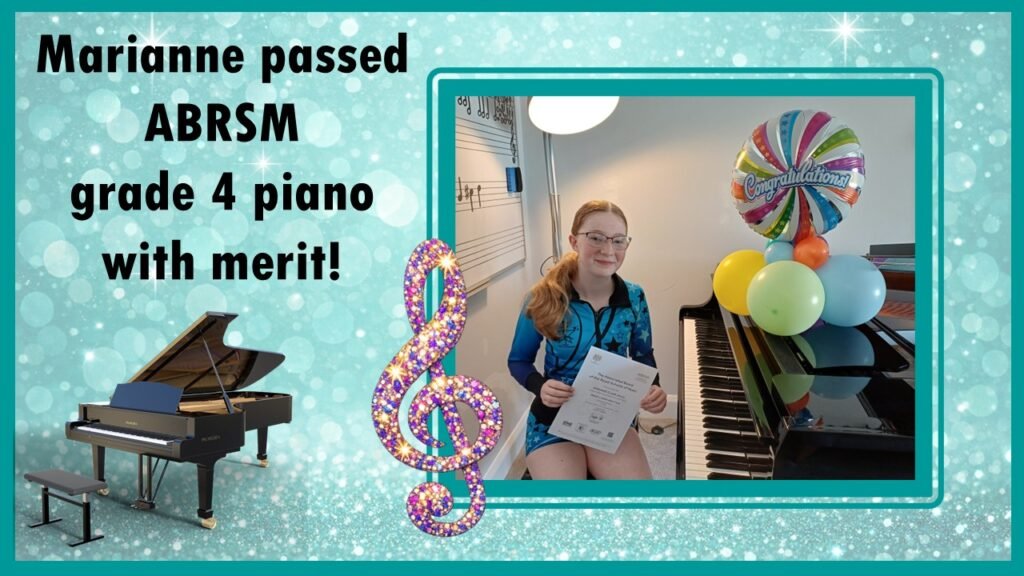
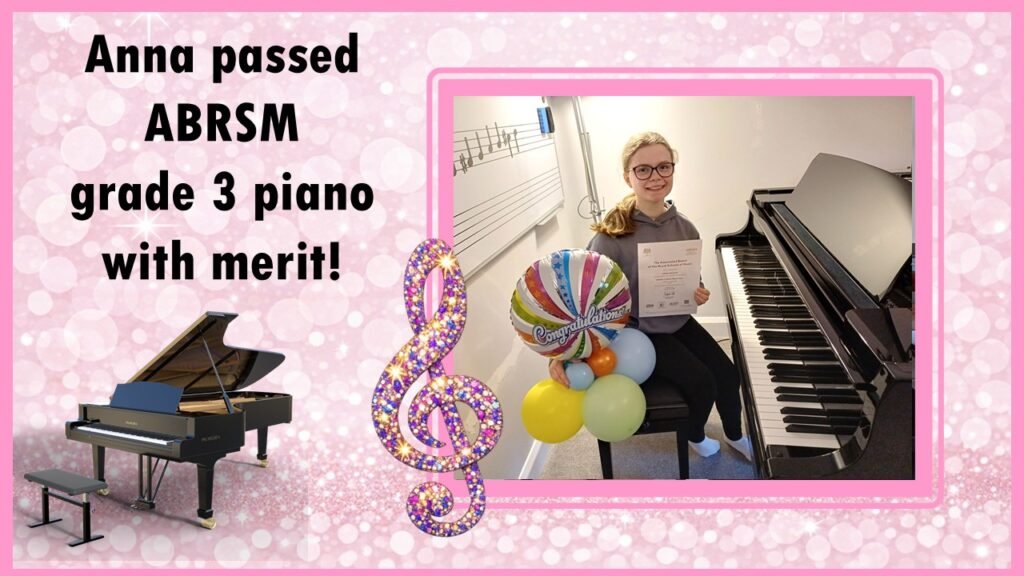
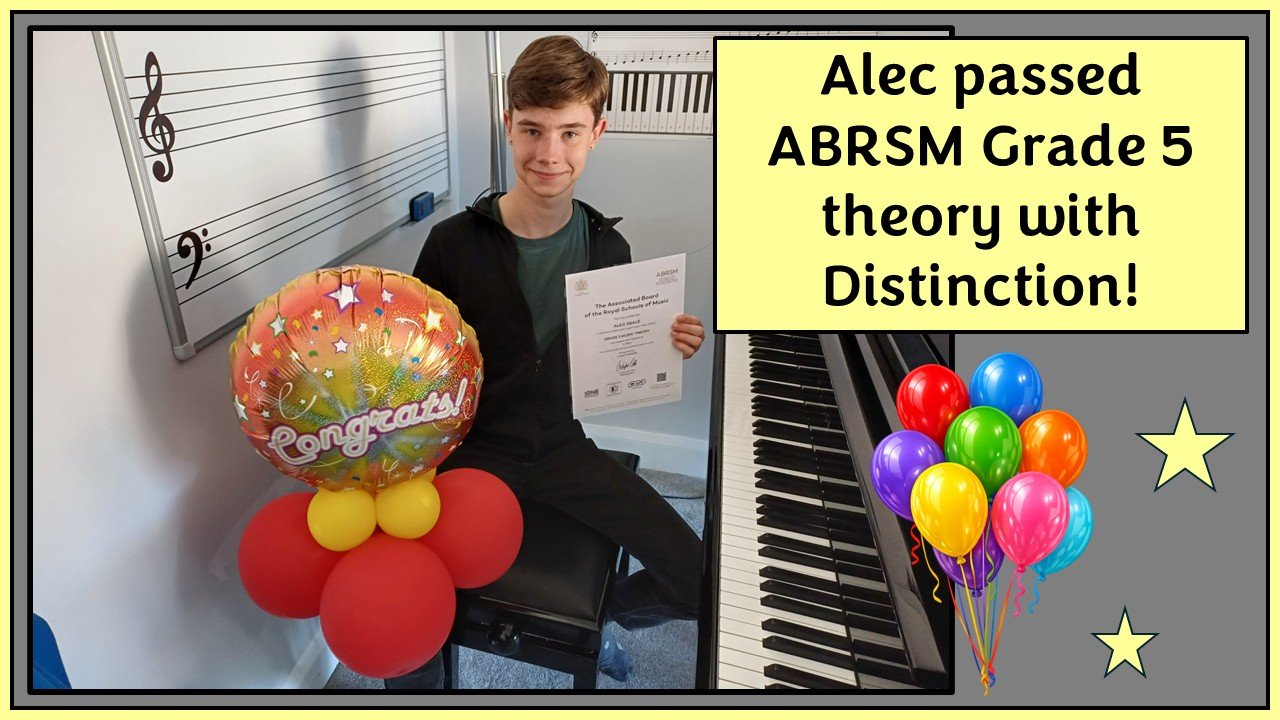
100% ABRSM Piano and Music Theory Pass Rate
Fully Qualified teacher with honours degree and masters degree in classical music and PGCE in secondary music education
25 years of teaching experience including as Head of Music, Head of Faculty and Teacher of Music in 5 different secondary schools.
Grade 8/Diploma piano and grade 8 cello.
Piano Accompanist for over 1000 students on piano for GCSE and A Level Performances and ABRSM exams.
Musical Director and Pianist for a variety of musicals including Grease, The Addams Family, West Side Story, Bugsy Malone and Annie.
Affordable Lesson Prices for all types of tuition (piano, theory, GCSE, A level, home ed): £15 for 30 minutes, £20.50 for 45 minutes and £26.50 for 1 hour.
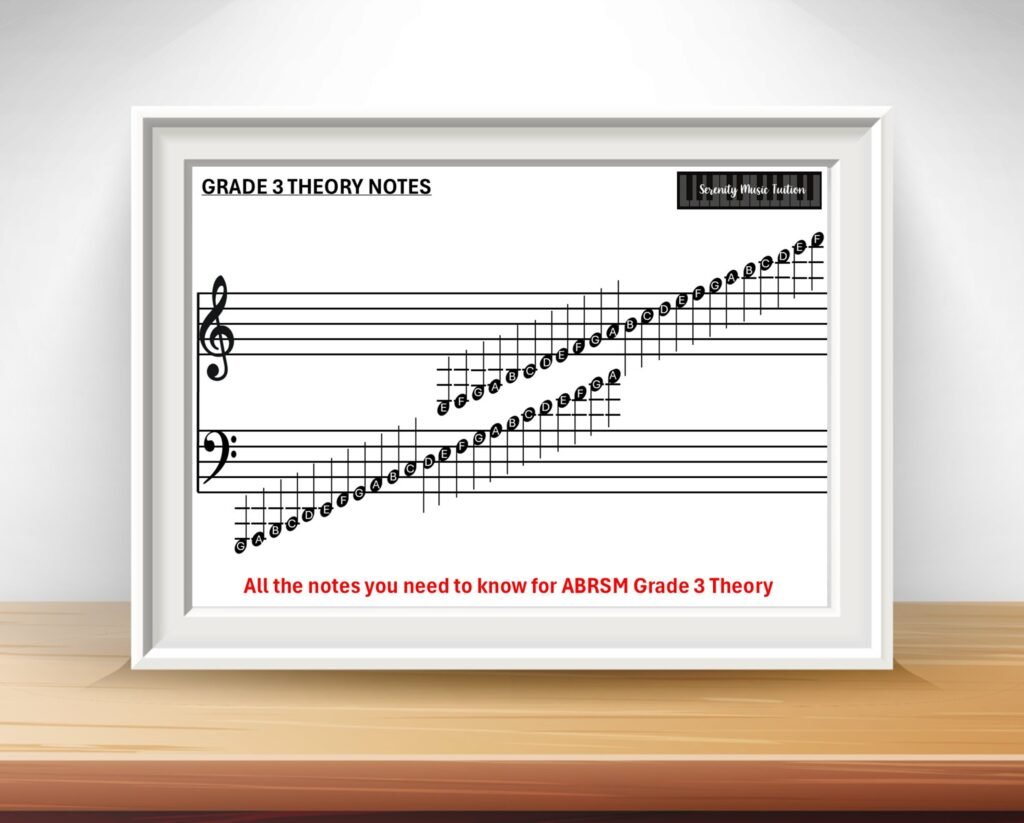
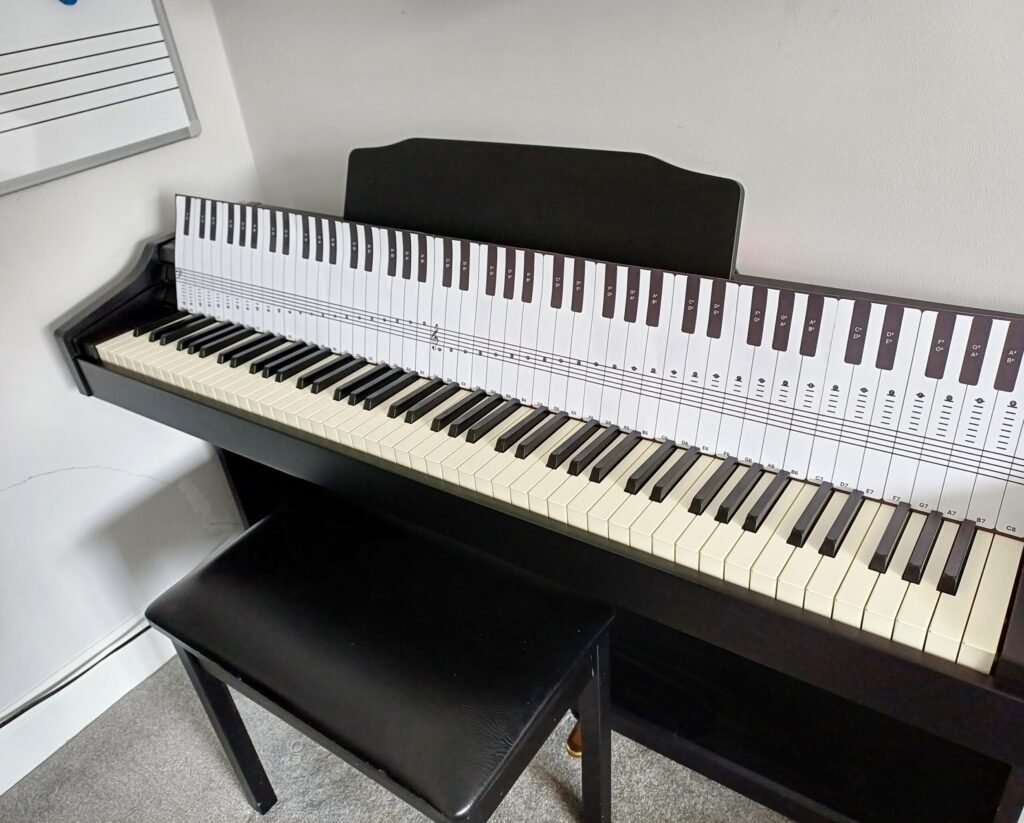
Free notation PNG images so you can practice writing your own music!
CHOOSE YOUR SPECIALISM BELOW
Piano Lessons
100% Pass Rate!
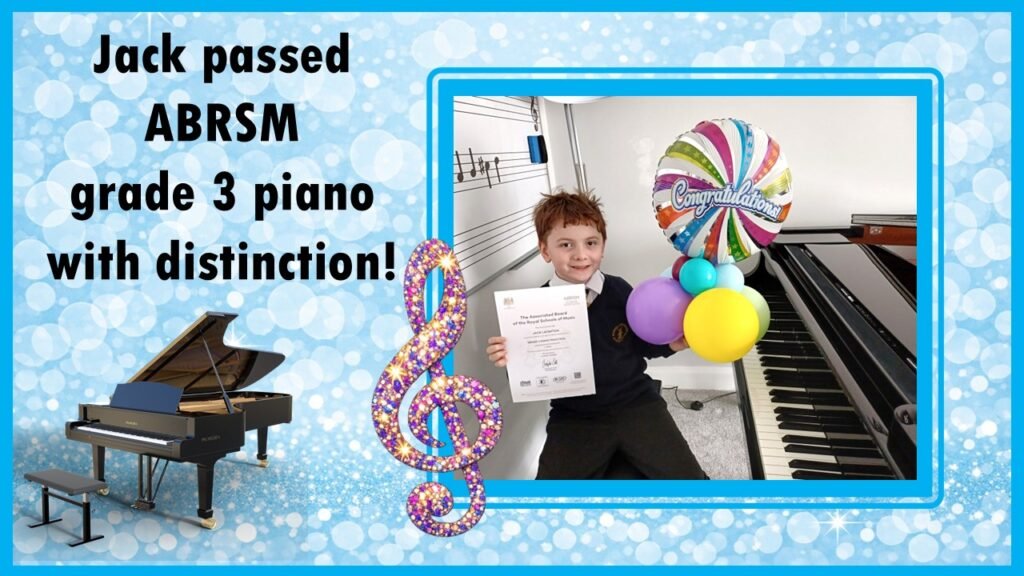
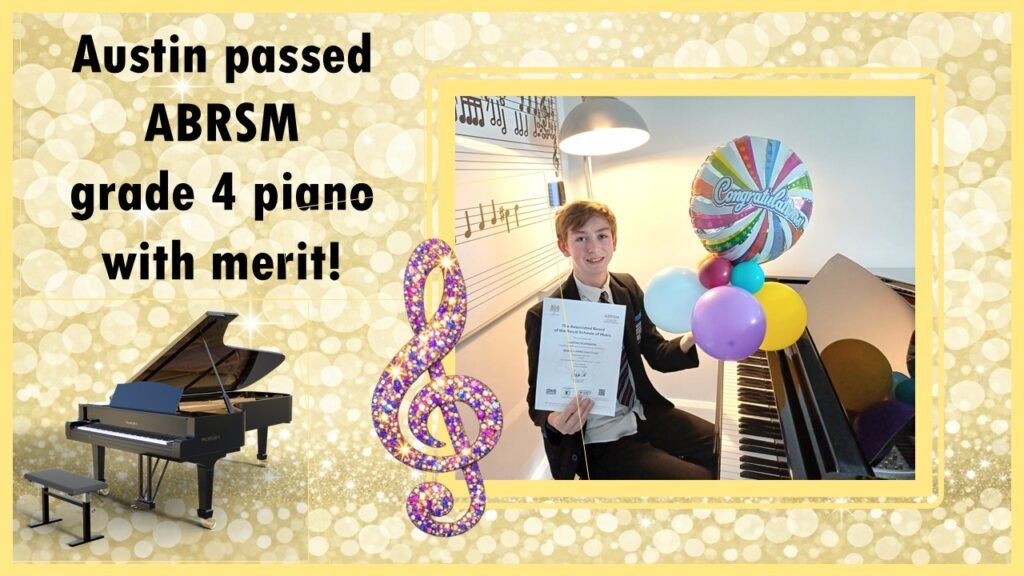
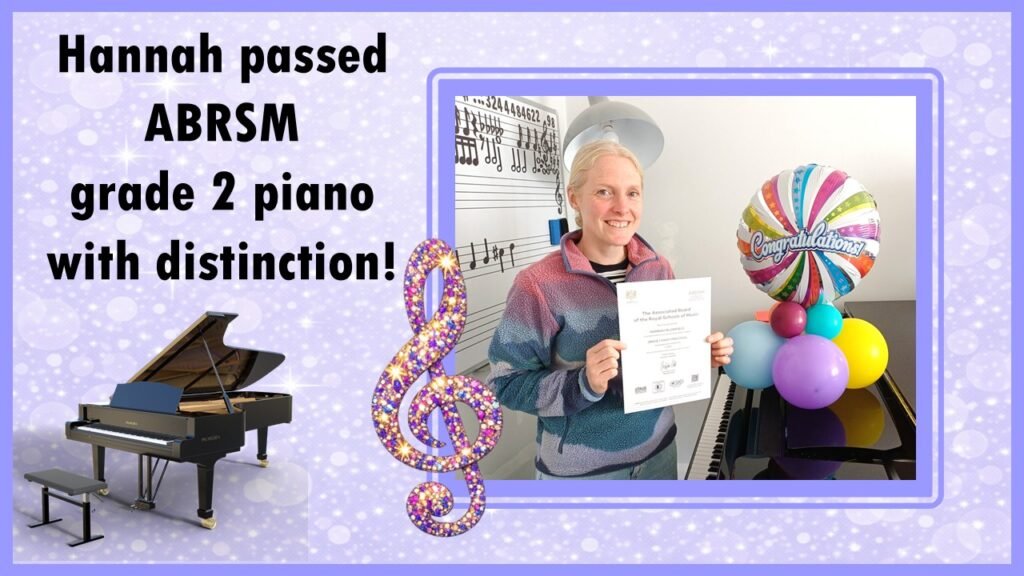
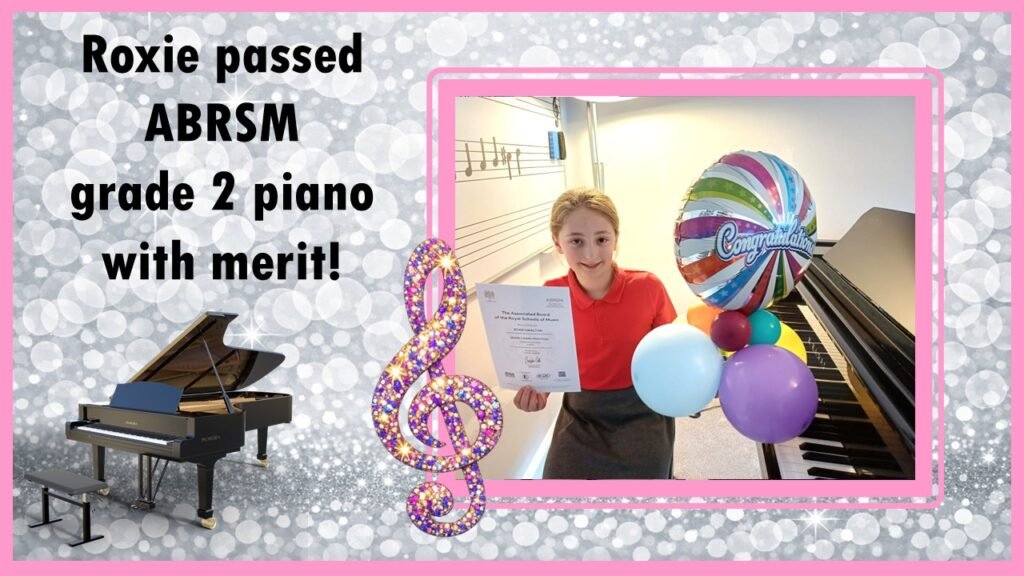
If you are looking for a piano lessons on Wirral, hopefully I can help! I am based in Bromborough currently teach students who attend lessons from various places including Heswall, Hooton, Eastham, New Brighton and Chester. I regularly enter students for ABRSM piano exams and I’m very proud to say that each and every one of my wonderfully talented students has passed giving Serenity Music Tuition a 100% pass rate. You can keep up to date with my students’ achievements by following us on Facebook.To enquire about having piano lessons with me, please click the WhatsApp button (just below the navigation menu). I guarantee to reply within 24 hours during week day hours. There may be a slightly longer wait for a reply if I am on annual leave. In this case, you will receive an immediate reply to your text with a guide to when I will return to work.
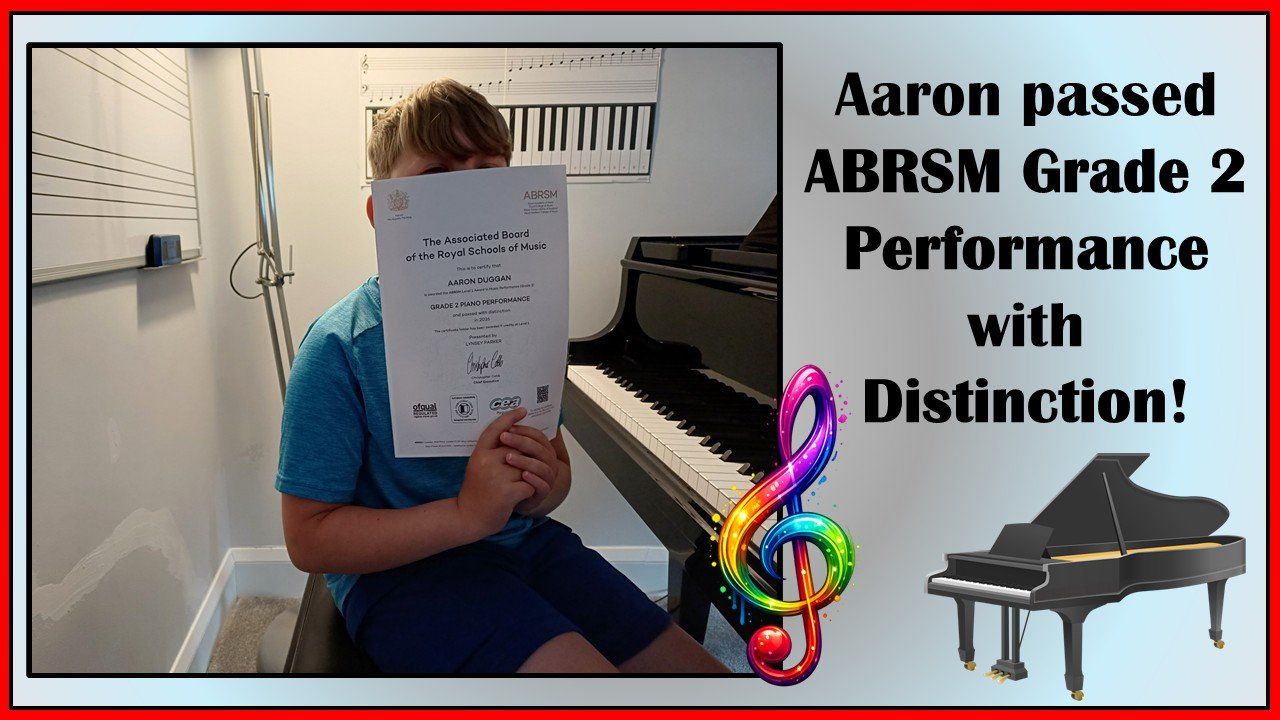
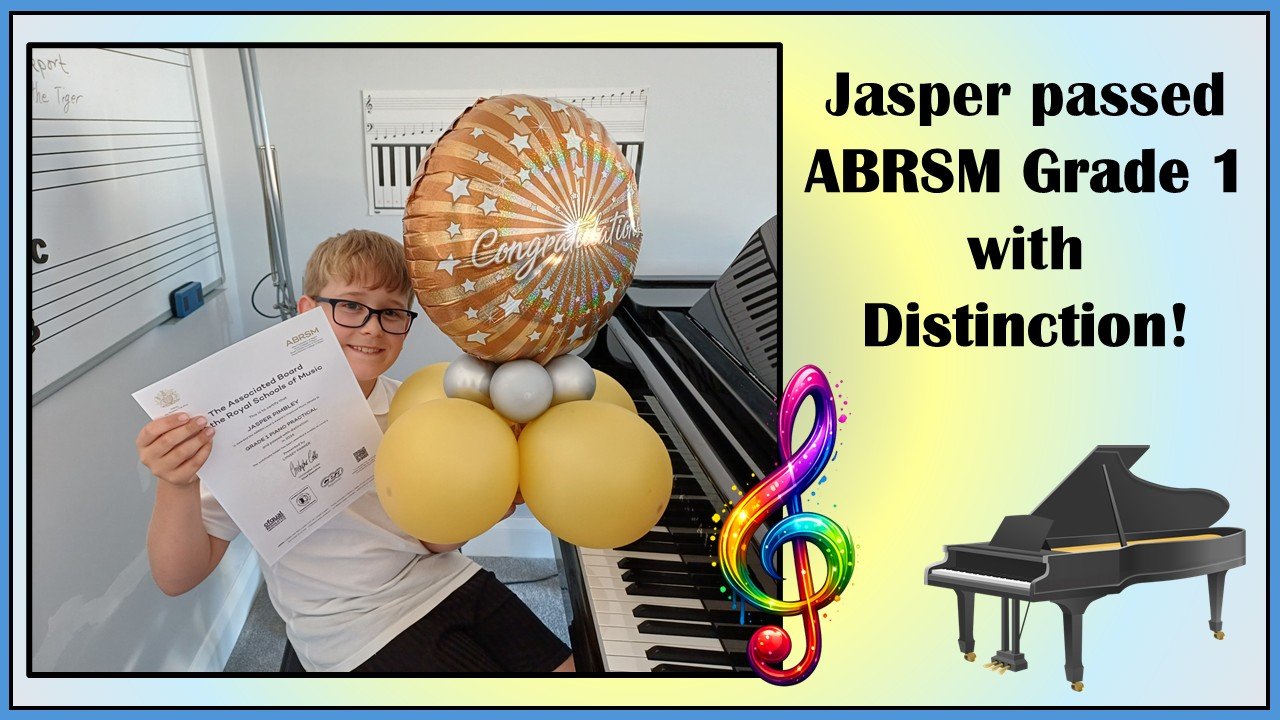
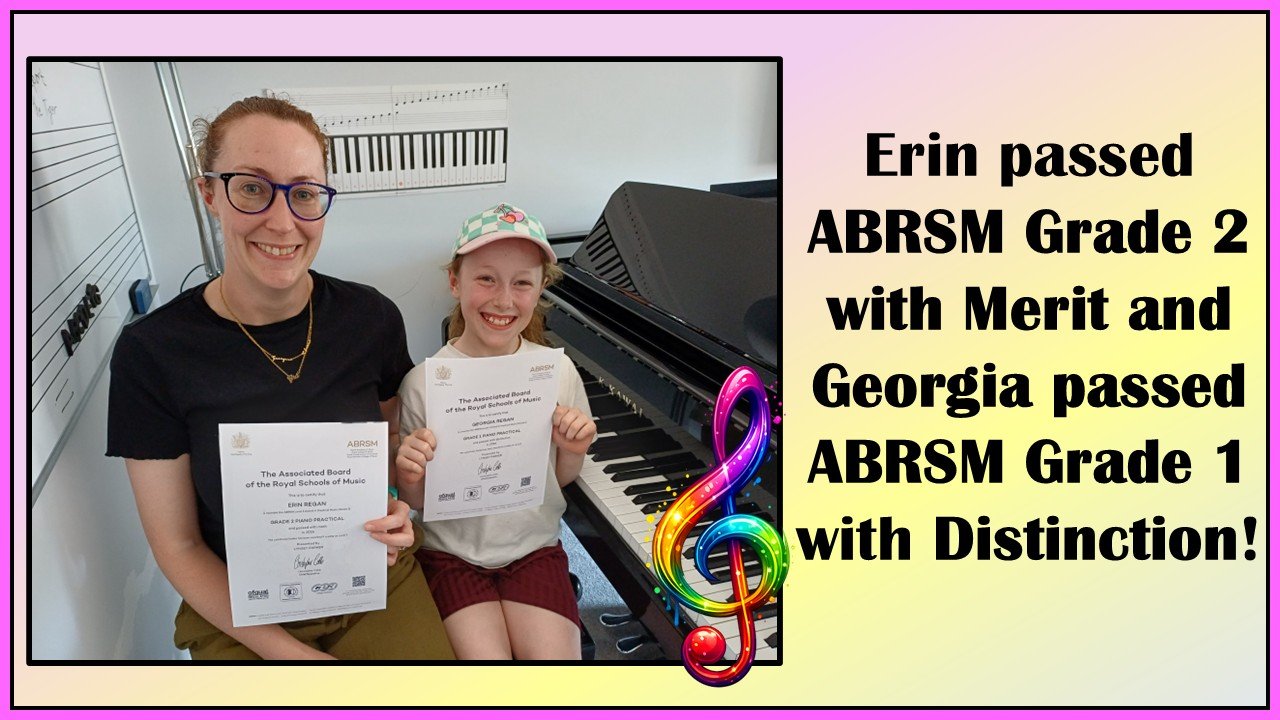
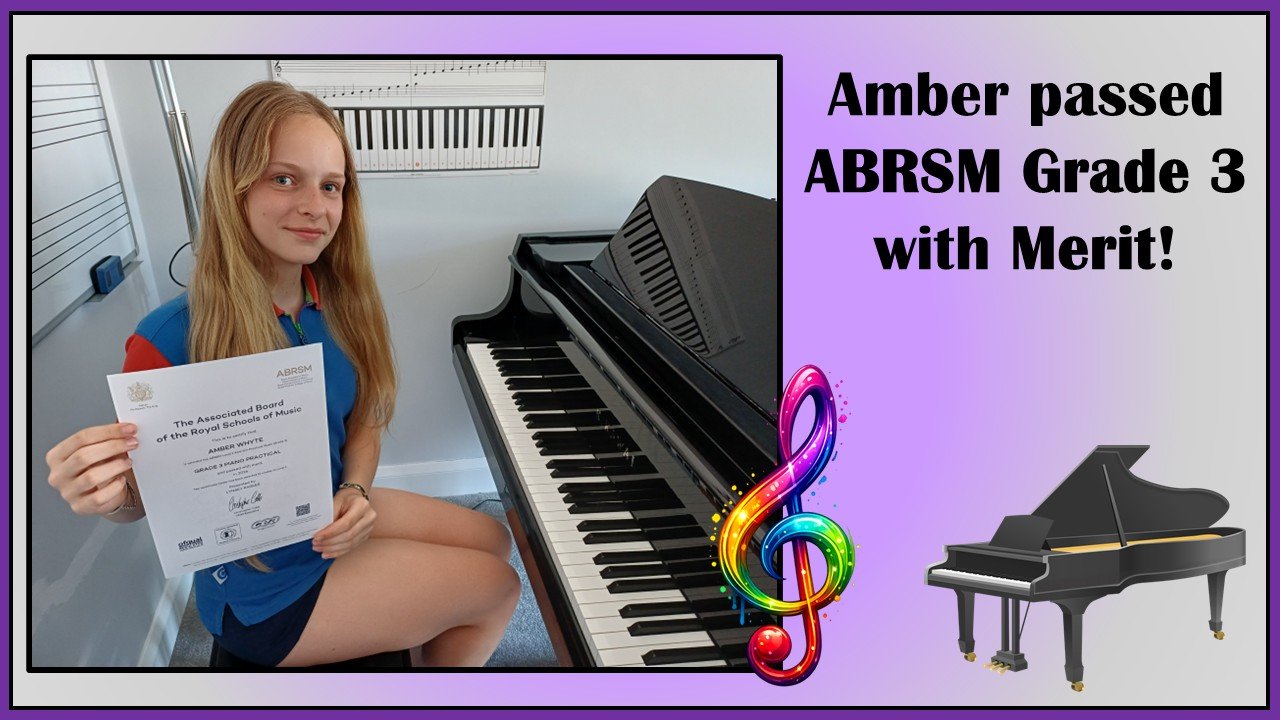
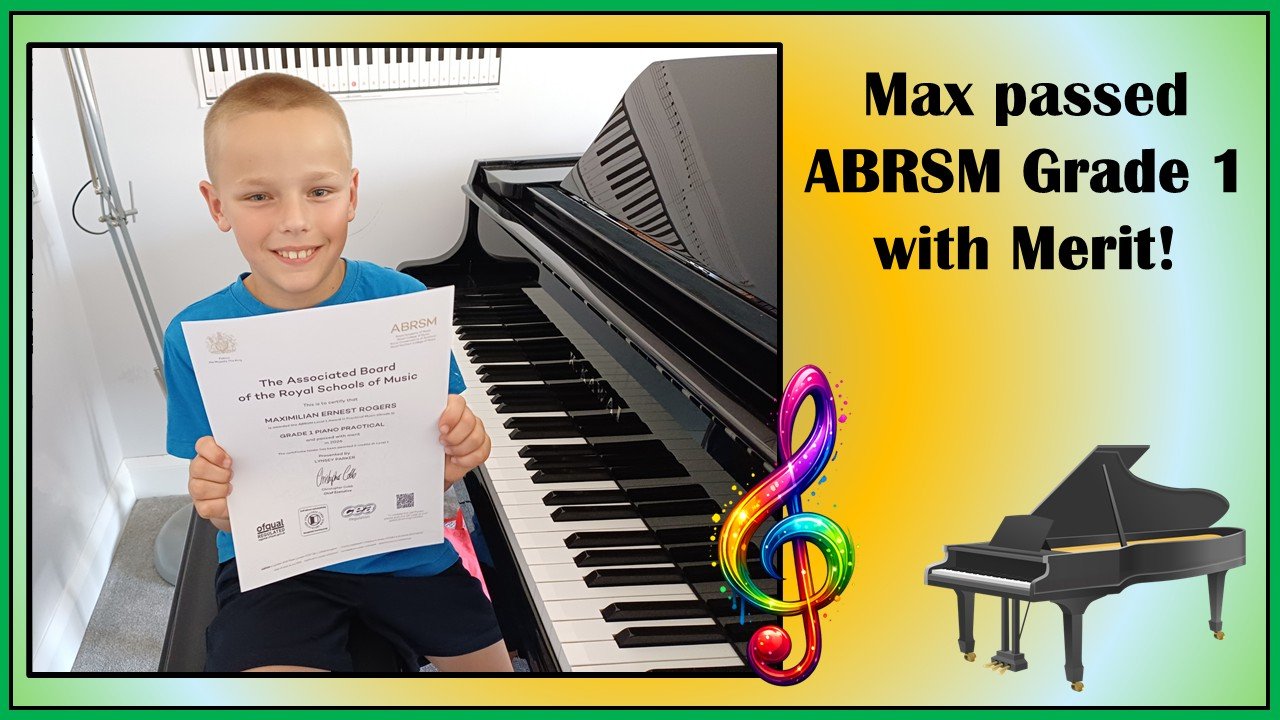
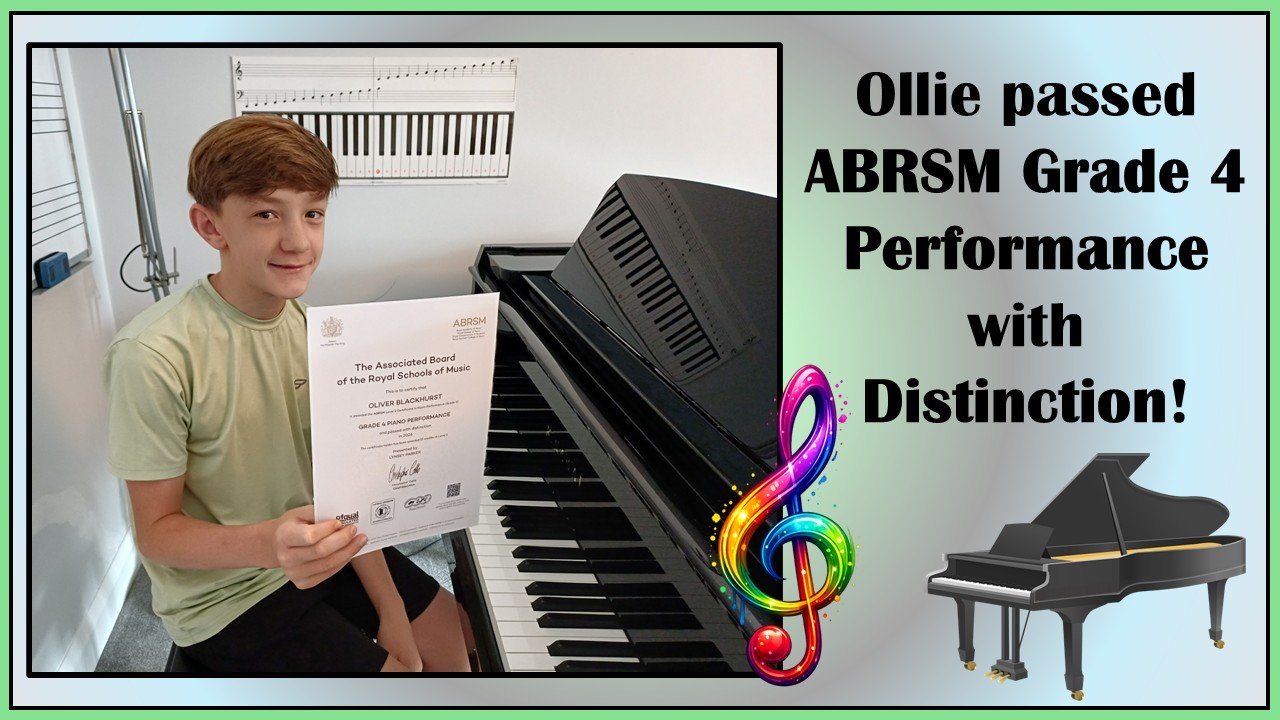
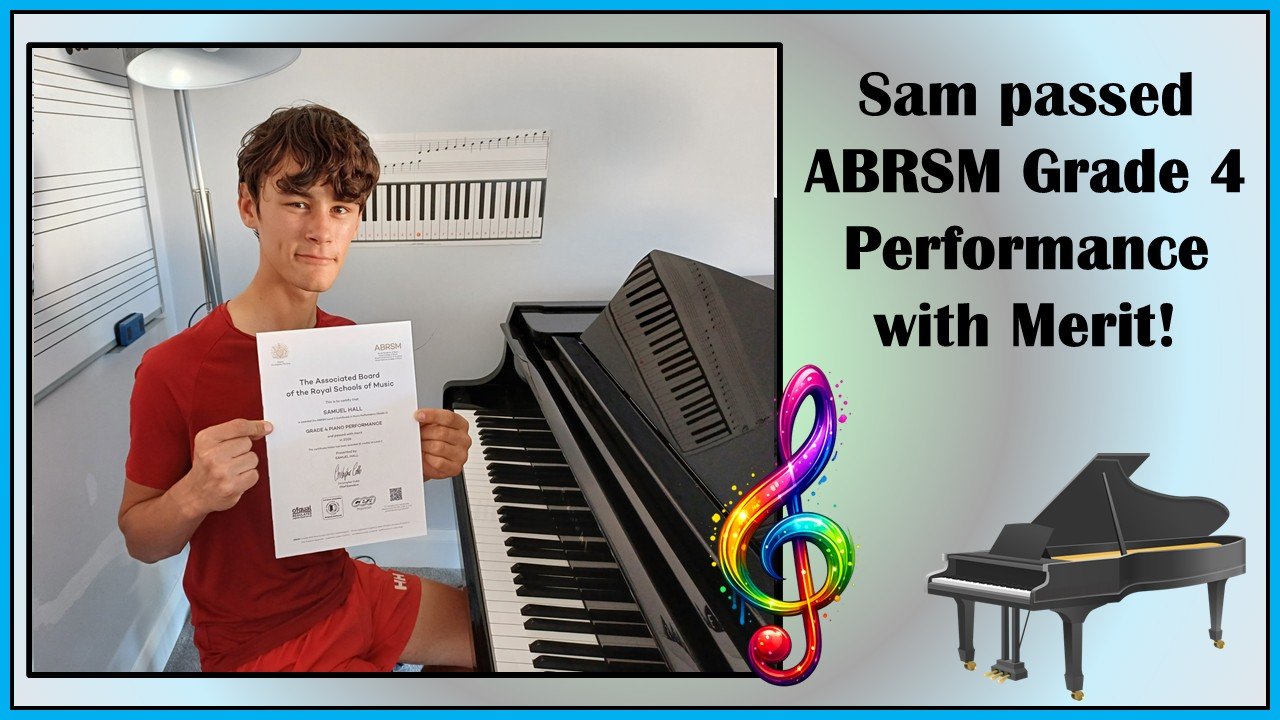
SPRING 2026 ABRSM EXAM RESULTS
SUMMER 2026 ABRSM EXAM RESULTS
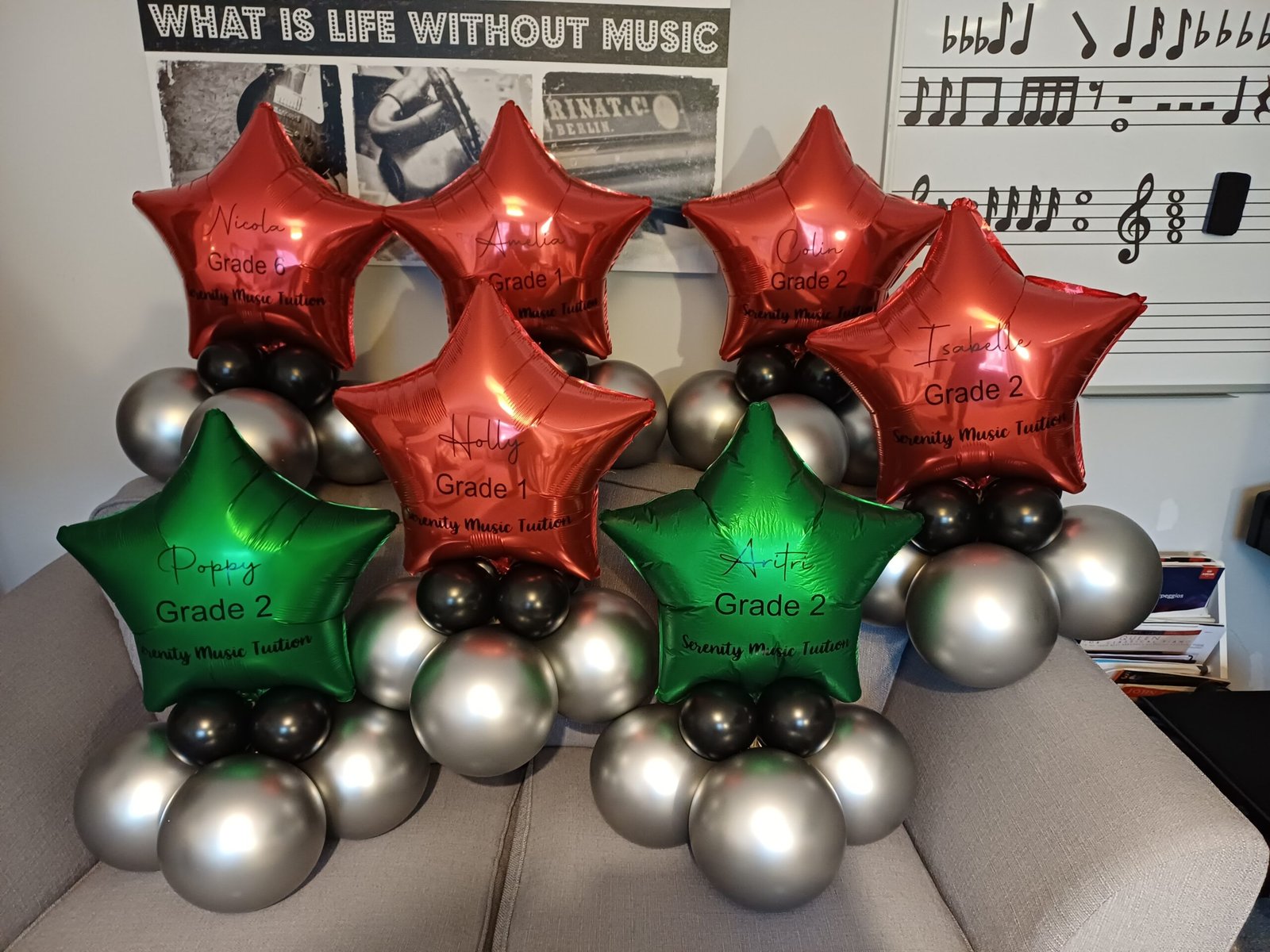
PRACTICAL EXAM CELEBRATIONS SUMMER 2026
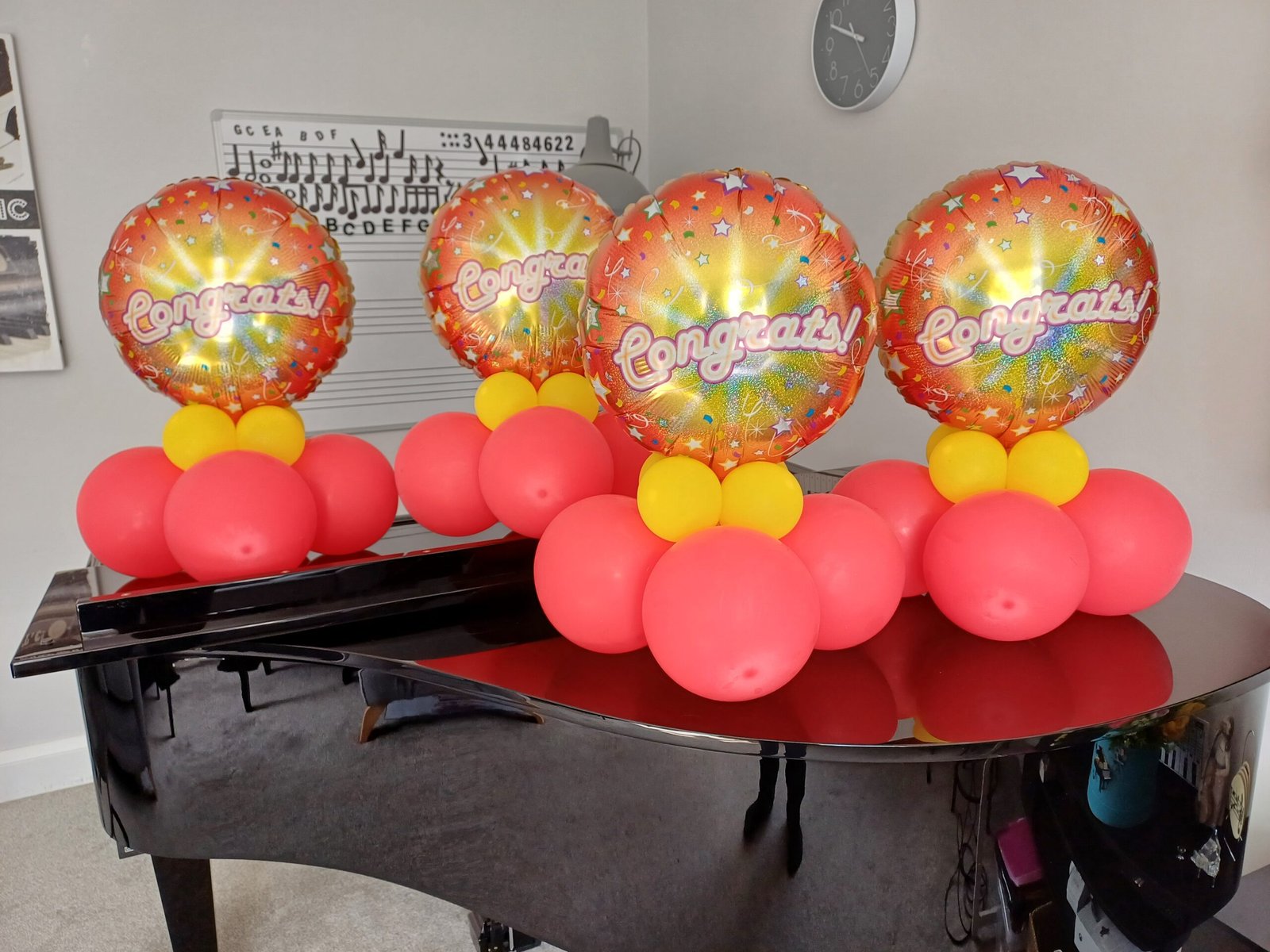
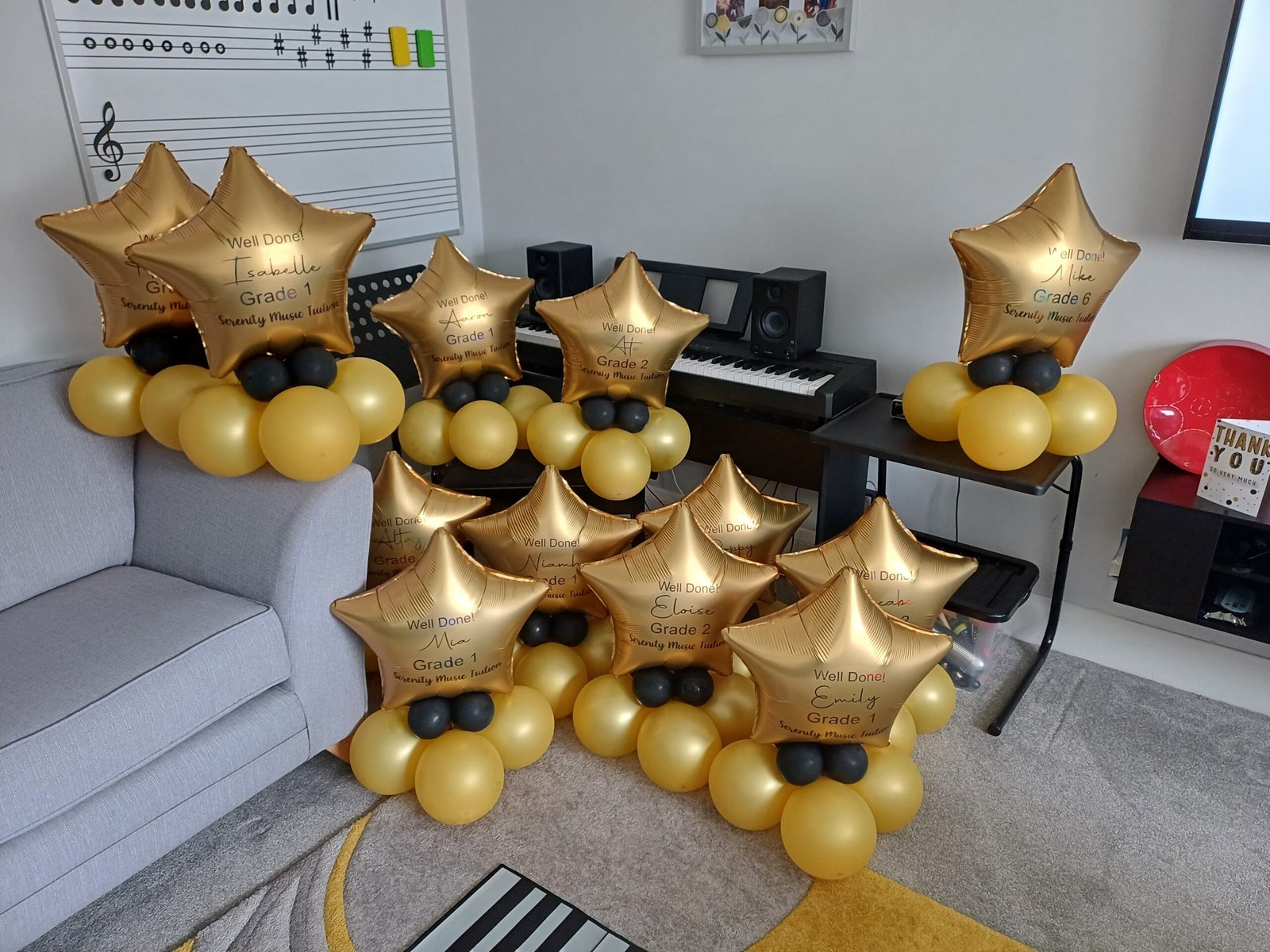
I awarded yet more gorgeous balloon trophies to my practical exam students this week! With massive thanks to the girls at Sianees Flowers and Occasions for creating them for me.
BRAND NEW PIANO SYLLABUS 2027 - 2028!
For anyone looking to download the BRAND NEW (as of June 2026) ABRSM exams piano syllabus for the practical or performance exam, please click the links below. Scroll through to the grade you are hoping to take and you will find a list of pieces from which you can choose. Don’t forget – Spotify has the official exemplar recordings for free, so head there and search for your particular grade (not forgetting to specify 2027 – 2028!) You can choose a piece from List A, List B and List C – and if you are doing the performance exam, you can choose any fourth piece you like from the new syllabus, 2025-2026 syllabus or any previous syllabus!
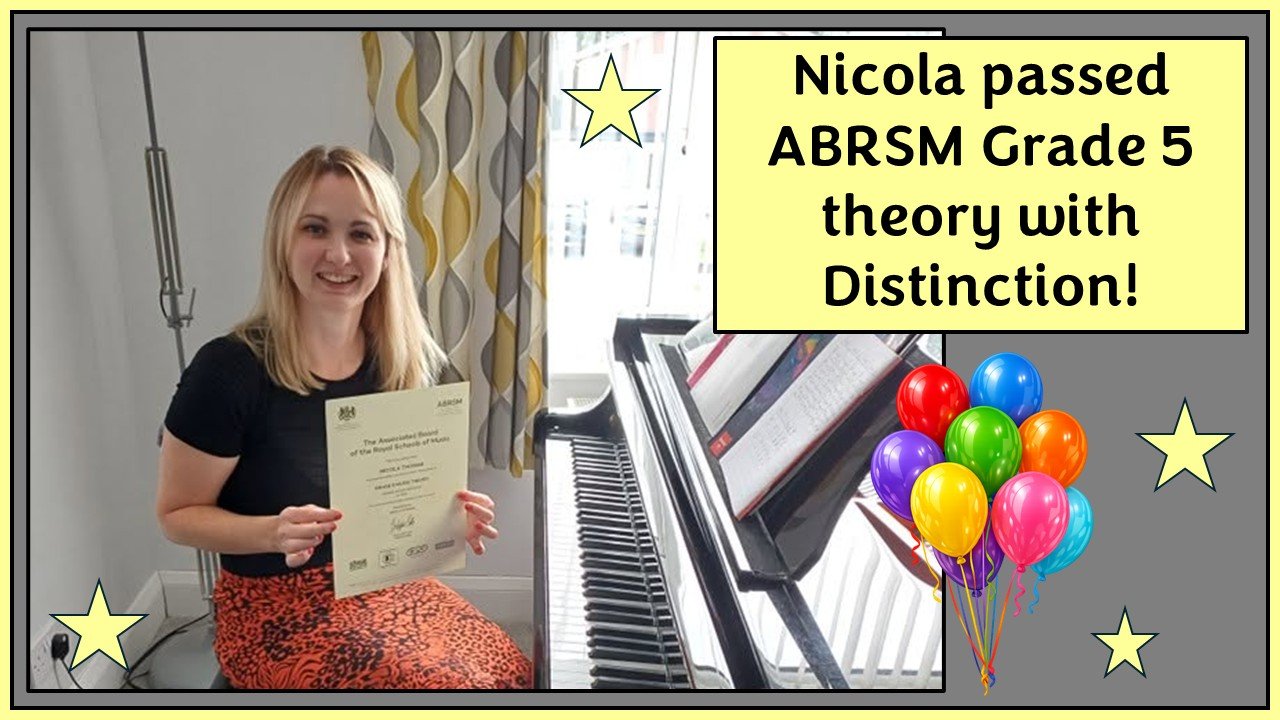
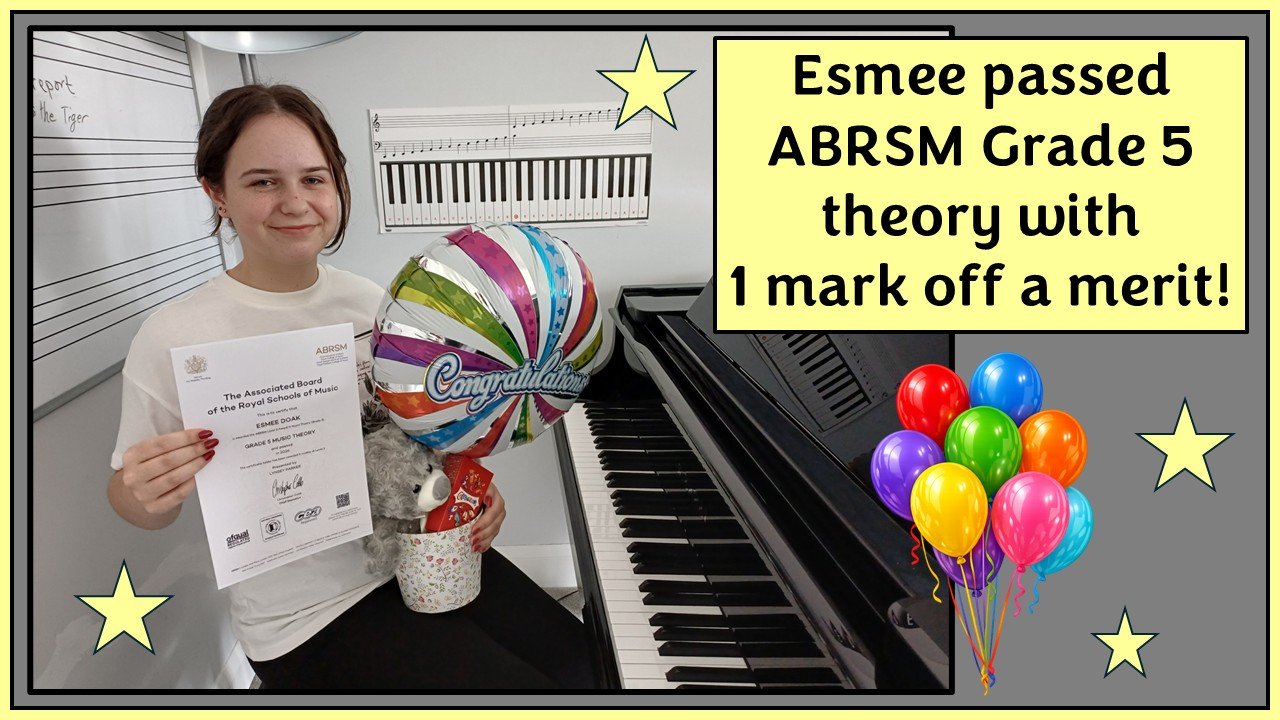
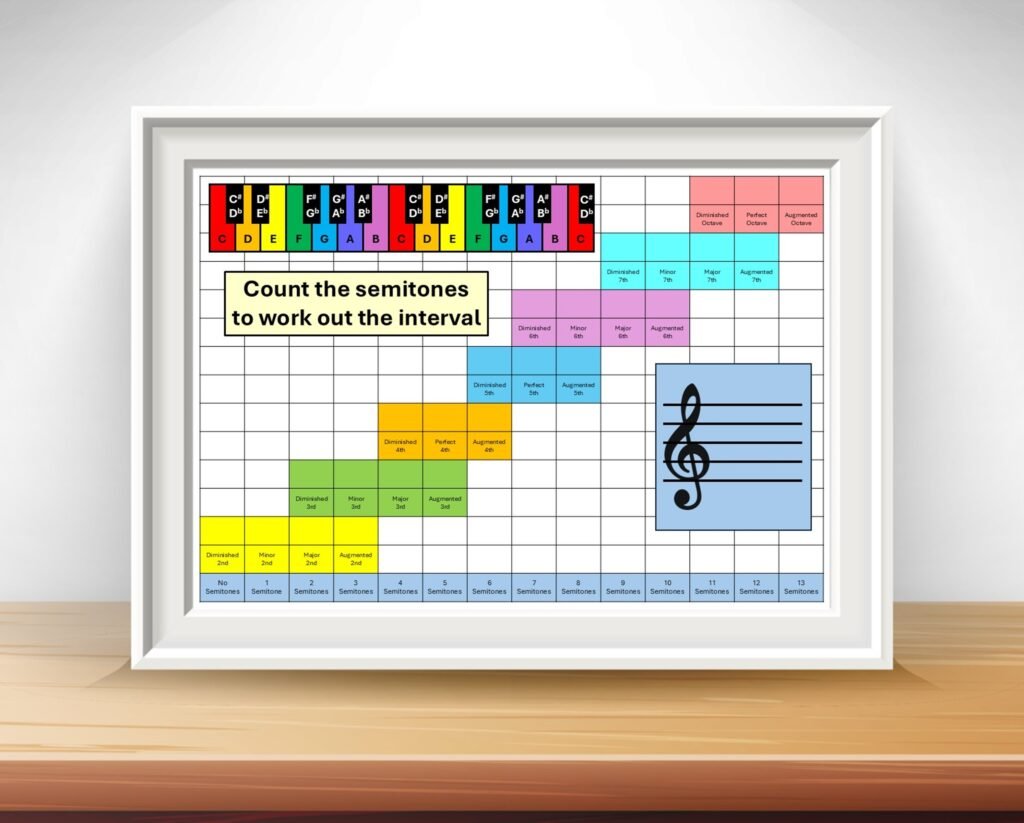
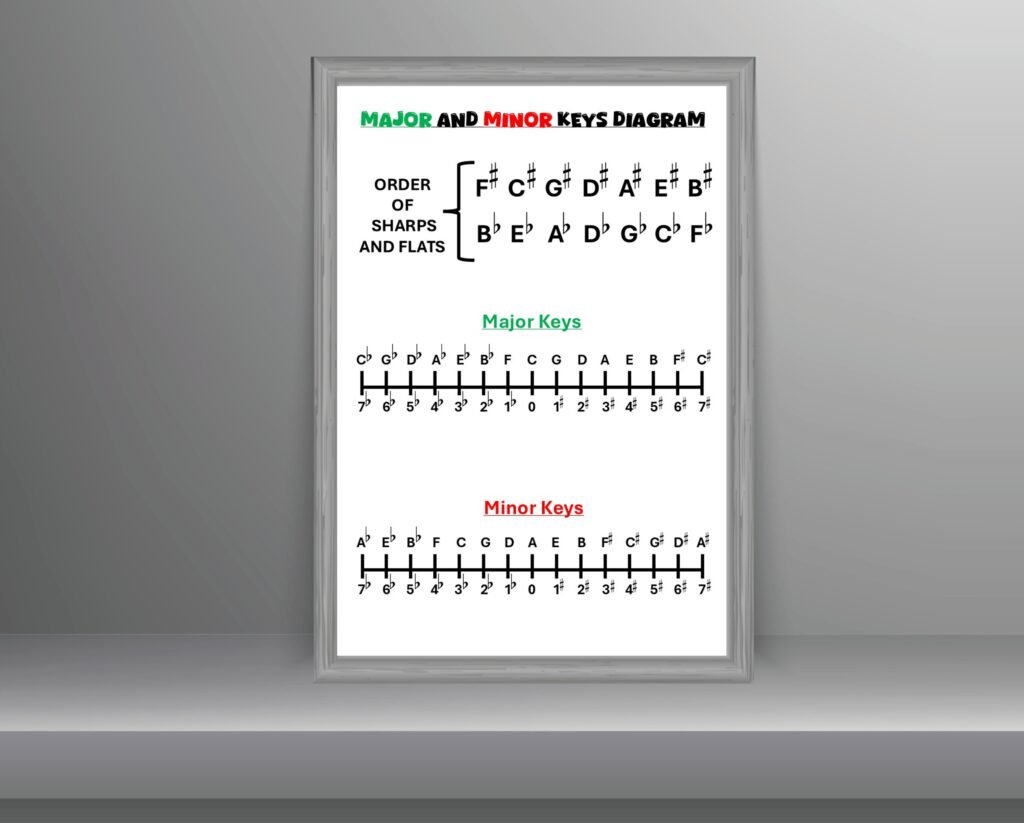
Alongside piano lessons on Wirral, I also teach ABRSM grades 1 to 5 music theory. I’m very proud to say that each student I have entered for a graded theory exam (I have only entered students at grade 5 level) has passed giving Serenity Music Tuition a 100% pass rate. We cover lots of content in lessons but students also use the music theory videos I have created to help them at home in between lessons. These videos can be accessed either through the navigational menu at the top of the screen or you can head directly to my YouTube channel to view them.
All students use the ‘Discovering Music Theory’ workbooks (Available on Amazon using the links below)
Having been a secondary school music teacher (Head of Music and Head of Faculty) for many, many years, I offer GCSE and A level tuition in performance, composition and understanding music. With reference to your NEA (non-exam assessment) work, I can help you to create a professional sounding digital recording of your composition using my home studio software or I can help you to succeed with your performances on piano. I can also help prepare you for the listening and set works component by supporting you in preparation for the understanding music exams. If you feel you might need a little support with your studies, please get in touch!
Home Education Lessons
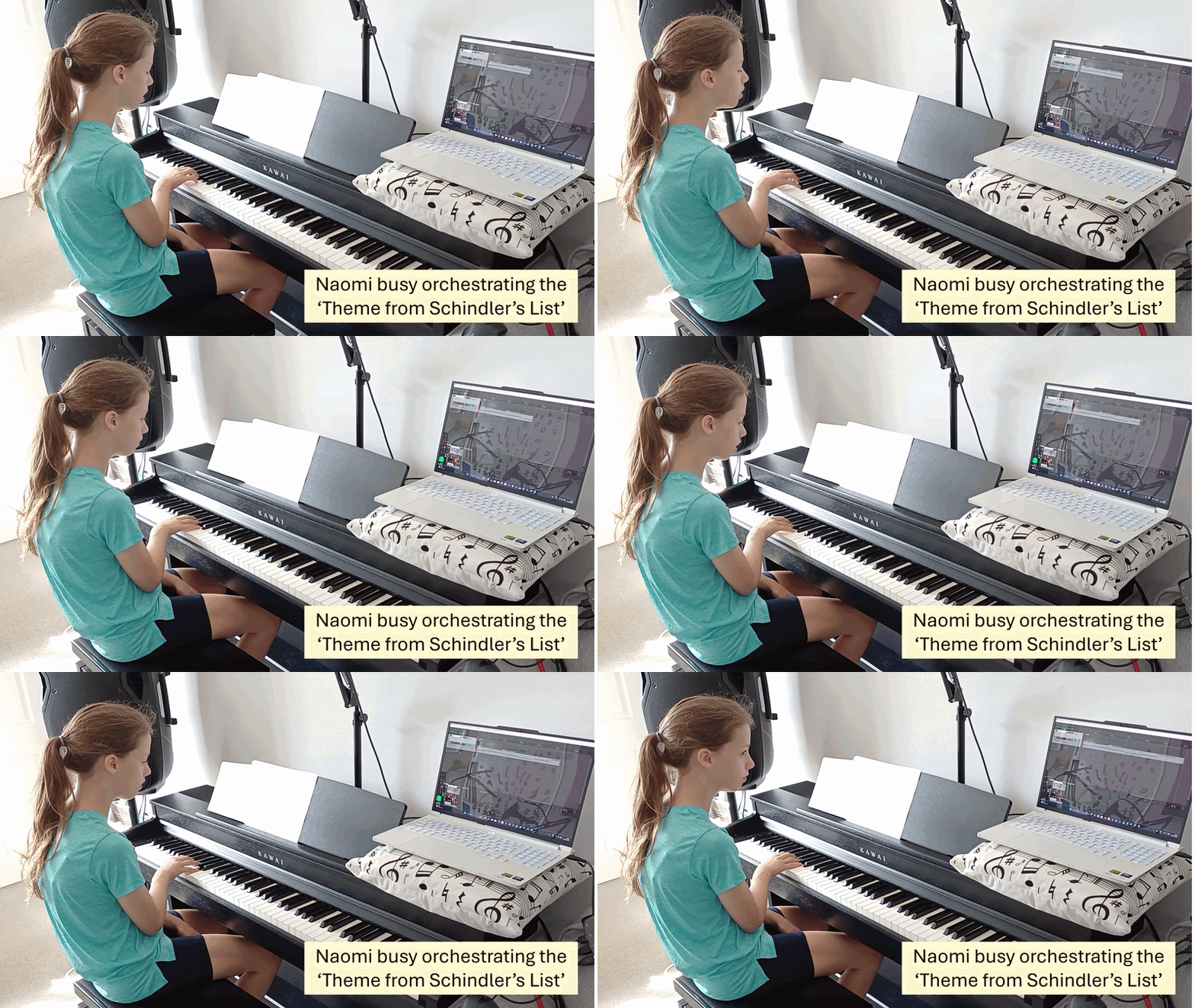
For any children who are home educated, I offer a home education classes. In the moving image above you can see Naomi hard at work learning how to orchestrate a piece using music technology. I cover all the key stage 3 topics and techniques I used to cover when I was a secondary school classroom music teacher. The work you can see Naomi completing above was part of a topic on Film Music and in particular the music of John Williams. Here, she is learning how to multitrack record and manipulate digital sounds.